
Introduction
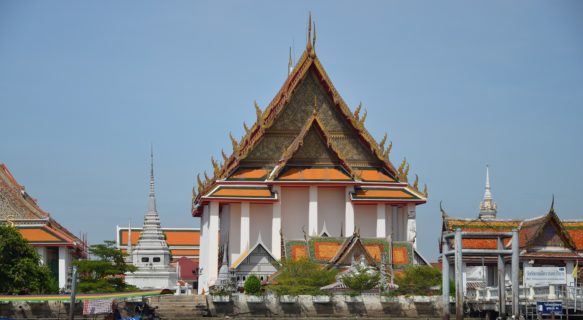
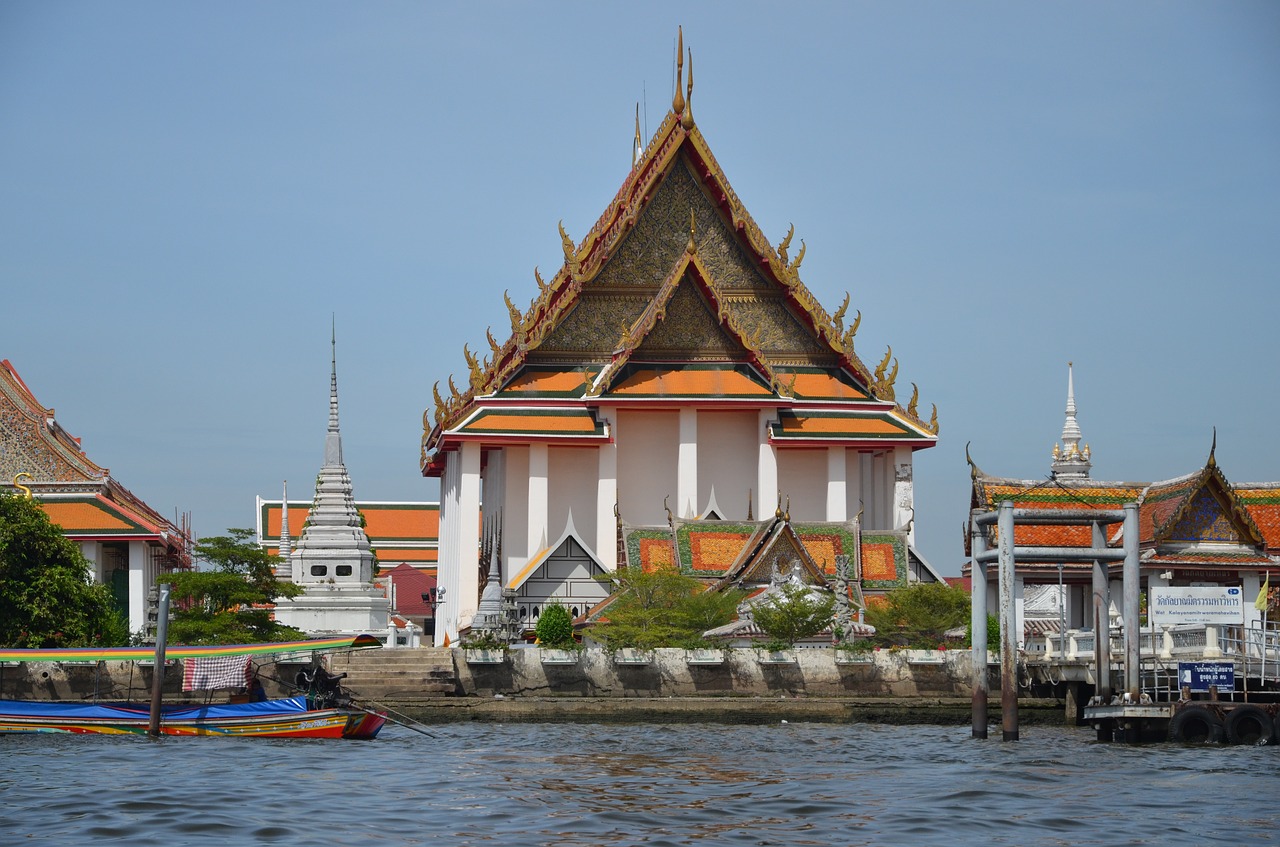
Bangkok, also known as Krung Thep Maha Nakhon in Thai, is the capital city of Thailand. It is a bustling metropolis that has grown into a major hub for business, culture, and tourism in Southeast Asia. The city has a population of over 8 million people, making it one of the most populous cities in the region.
A Brief History
Bangkok has a rich and fascinating history that dates back to the 15th century. The city was founded in 1782 by King Rama I, who established it as the new capital of Siam. Over the years, the city has undergone significant changes and transformations, from being a small trading post to a major center of trade and commerce. Bangkok has also experienced periods of colonization by various European powers, including Portugal, France, and Britain.
What Bangkok is Best Known For
Bangkok is best known for its vibrant street life, delicious food, ornate temples, and bustling markets. The city is also famous for its vibrant nightlife and entertainment scene, which includes everything from rooftop bars to nightclubs and cabaret shows.
One of the most iconic landmarks in Bangkok is the Grand Palace, which was built in the 18th century and served as the home of the Thai king and his court for over 150 years. Another popular attraction is Wat Phra Kaew, also known as the Temple of the Emerald Buddha, which is located within the Grand Palace complex and is considered to be one of the most sacred sites in Thailand.
Interesting Facts and Tidbits
– Bangkok is home to the world’s largest solid gold Buddha statue, which weighs over 5 tons.
– The city has more than 400 temples, which are known as wats in Thai.
– Bangkok was named the world’s most visited city in 2018, with over 22 million international visitors.
– Thai cuisine is renowned for its complex flavors, and Bangkok is the perfect place to try authentic Thai dishes such as Tom Yum Goong, Pad Thai, and Green Curry.
Whether you are a first-time visitor or a seasoned traveler, Bangkok is a city that offers something for everyone. From the traditional Thai culture to the modern and cosmopolitan lifestyle, Bangkok is a truly unique and vibrant city that you won’t want to miss.
Getting There
Bangkok is easily accessible by air, with two major airports serving the city: Suvarnabhumi Airport and Don Mueang International Airport. Suvarnabhumi Airport is the main gateway to Thailand and is served by many major airlines, including Thai Airways, Emirates, Singapore Airlines, and Cathay Pacific. Don Mueang International Airport, on the other hand, mainly serves budget airlines such as AirAsia, Nok Air, and Thai Lion Air.
Both airports are well-connected to the city center by various modes of transportation such as taxis, buses, and trains. The Airport Rail Link connects Suvarnabhumi Airport to the city’s main train station, Phaya Thai, which is just a short distance from the BTS Skytrain network. From Don Mueang International Airport, you can take a bus to the BTS Skytrain or MRT subway stations.
If you’re traveling from within Thailand or neighboring countries, Bangkok is also accessible by train, bus, and car. Bangkok’s main train station is Hua Lamphong, which serves both local and long-distance trains. The city’s main bus terminal is the Northern Bus Terminal (Mo Chit 2), which serves buses to destinations in the north and northeast of Thailand.
Major Airlines that Fly to Bangkok
– Thai Airways: https://www.thaiairways.com/en_US/index.page
– Emirates: https://www.emirates.com/us/english/
– Singapore Airlines: https://www.singaporeair.com/en_UK/us/home
– Cathay Pacific: https://www.cathaypacific.com/cx/en_US.html
– AirAsia: https://www.airasia.com/en/home.page
– Nok Air: https://www.nokair.com/en/
– Thai Lion Air: https://www.lionairthai.com/en/
Other Major Transportation Providers and Hubs
– Suvarnabhumi Airport: https://www.airportthai.co.th/en/
– Don Mueang International Airport: https://www.donmueangairport.com/
– BTS Skytrain: https://www.bts.co.th/eng/
Getting Around
Navigating Bangkok can be overwhelming, especially for first-time visitors. However, with a little knowledge about the different modes of transportation and some tips for getting around, you can explore the city with ease. Here’s everything you need to know about getting around Bangkok:
BTS Skytrain and MRT Subway
The BTS Skytrain and MRT subway are the most convenient and fastest ways to travel around Bangkok. The BTS Skytrain operates two lines, the Sukhumvit line, and the Silom line, while the MRT subway operates one line, the Blue line. Both systems connect at the interchange stations of Asok/Sukhumvit and Sala Daeng/Silom, making it easy to transfer between lines.
The BTS Skytrain and MRT subway operate from 6 am to midnight daily, with frequent trains arriving every 3-5 minutes during peak hours and every 5-10 minutes during off-peak hours. Fares for both systems are based on distance, with fares ranging from 16 baht to 59 baht.
To use the BTS Skytrain and MRT subway, you’ll need to purchase a ticket or a stored value card called the Rabbit card. The Rabbit card is a convenient way to pay for your fare and can be topped up with cash or credit card at any BTS or MRT station.
Buses
Bangkok has an extensive bus system with over 100 routes, covering almost every corner of the city. The buses are cheap and can be a great way to explore the city, but they can also be slow and crowded, especially during rush hour.
There are different types of buses in Bangkok, including air-conditioned and non-air-conditioned buses, and the fares range from 9 baht to 24 baht, depending on the type of bus and the distance traveled. You’ll need to pay your fare in cash as the Rabbit card is not accepted on buses.
To find the right bus route for your destination, you can use the Bangkok Mass Transit Authority (BMTA) website or the Moovit app, which provides real-time information on bus routes and schedules.
Taxis and Tuk-tuks
Taxis and tuk-tuks are widely available in Bangkok, and they can be a convenient way to travel, especially if you’re traveling in a group. However, they can also be expensive, especially during rush hour or if you’re traveling long distances.
Taxis in Bangkok are metered, and the fares start at 35 baht for the first 2 kilometers and then increase based on the distance traveled and time spent in traffic. However, some taxis may refuse to use the meter, especially during rush hour, so it’s a good idea to negotiate the fare before getting in.
Tuk-tuks, on the other hand, are not metered, and the fares are usually negotiated before the journey. While they can be a fun way to explore the city, they can also be uncomfortable, noisy, and not the safest mode of transportation.
Boats
Bangkok is known as the “Venice of the East” because of its many waterways, and one of the most unique ways to explore the city is by boat. There are several types of boats in Bangkok, including river taxis, express boats, and tourist boats.
The river taxis and express boats are the most common and affordable modes of transportation, with fares ranging from 10 baht to 50 baht depending on the distance traveled. These boats operate along the Chao Phraya River and its canals, with several piers located near popular tourist
Climate
Bangkok has a tropical monsoon climate, which means it’s hot and humid throughout the year, with three distinct seasons: the hot season, the rainy season, and the cool season. Here’s what to expect in each season:
Hot Season (March to June)
The hot season in Bangkok is also known as the summer season, and it’s the hottest and driest time of the year. Temperatures can reach up to 40°C (104°F), and humidity can be high, making it uncomfortable to be outside for long periods.
If you’re visiting Bangkok during the hot season, it’s important to stay hydrated and wear light, breathable clothing. You may also want to plan your activities for the early morning or late afternoon when it’s cooler.
Rainy Season (July to October)
The rainy season in Bangkok is also known as the monsoon season, and it’s characterized by heavy rainfall and occasional thunderstorms. Temperatures are slightly cooler than in the hot season, ranging from 25°C to 30°C (77°F to 86°F), but humidity remains high.
If you’re visiting Bangkok during the rainy season, be prepared for sudden downpours and flooding on the streets. It’s a good idea to carry an umbrella or rain jacket with you and wear waterproof shoes.
Cool Season (November to February)
The cool season in Bangkok is the most comfortable time to visit, with temperatures ranging from 20°C to 30°C (68°F to 86°F) and lower humidity. It’s also the peak tourist season, so expect larger crowds and higher prices for accommodations and activities.
If you’re visiting Bangkok during the cool season, you’ll enjoy pleasant weather and clear skies, making it the perfect time to explore the city’s outdoor attractions.
Other Considerations
Regardless of the season, it’s important to protect yourself from the sun and heat when you’re outside in Bangkok. Wear sunscreen, a hat, and sunglasses, and carry a water bottle with you to stay hydrated.
Overall, Bangkok’s climate can be challenging, but with some preparation and awareness, you can enjoy your visit to this vibrant city in any season.
Things to See and Do
Bangkok is a city that never sleeps, with a rich culture, history, and an abundance of attractions to explore. Here are some of the top things to see and do in Bangkok:
The Grand Palace
The Grand Palace is one of the most iconic attractions in Bangkok, and it’s a must-visit for anyone coming to the city. The palace was built in 1782 and served as the official residence of the Kings of Siam until 1925. It’s now open to the public as a museum, showcasing Thailand’s art and architecture. Visitors can explore the stunning palace grounds, including the Temple of the Emerald Buddha, the most sacred temple in Thailand.
Official website: https://www.royalgrandpalace.th/
Wat Phra Kaew (Temple of the Emerald Buddha)
Located within the Grand Palace complex, the Temple of the Emerald Buddha is considered the most sacred temple in Thailand. The temple houses a 66-centimeter-tall statue of the Emerald Buddha, carved from a single block of jade. Visitors can admire the intricate details of the temple’s architecture and learn about the importance of Buddhism in Thai culture.
Wat Pho (Temple of the Reclining Buddha)
Wat Pho is a temple complex that houses the famous 46-meter-long Reclining Buddha statue, covered in gold leaf. Visitors can explore the temple’s intricate architecture, including the beautiful chedis (stupas) and the tranquil courtyards. Wat Pho is also known as the birthplace of traditional Thai massage, and visitors can experience a relaxing massage within the temple grounds.
Official website: https://www.watpho.com/
Chatuchak Weekend Market
The Chatuchak Weekend Market is one of the largest outdoor markets in the world, with over 15,000 stalls selling everything from food and clothing to souvenirs and antiques. The market is open on weekends and attracts both locals and tourists. It’s a great place to experience the bustling energy of Bangkok and sample some of the city’s delicious street food.
Official website: https://www.chatuchakmarket.org/
Khao San Road
Khao San Road is a popular street in Bangkok that’s known as the backpacker’s hub. It’s a vibrant and colorful street lined with shops, restaurants, and bars. Visitors can sample some of the city’s delicious street food, shop for souvenirs, or relax at one of the many bars or cafes. Khao San Road is also a great place to meet other travelers and experience Bangkok’s lively nightlife.
Chao Phraya River Cruise
The Chao Phraya River is the lifeblood of Bangkok, and a river cruise is a great way to see the city from a different perspective. Visitors can take a leisurely boat ride along the river and admire the city’s stunning skyline and historic landmarks. Many river cruises also offer dinner and entertainment, making for a memorable evening in Bangkok.
Jim Thompson House
Jim Thompson House is a unique museum that showcases traditional Thai architecture and design. The museum is a complex of six traditional Thai houses that were relocated to Bangkok and turned into a museum by Jim Thompson, an American businessman who is credited with reviving the Thai silk industry in the 1950s and 60s. Visitors can admire the beautiful teak wood houses and learn about Thai art and culture.
Official website: https://www.jimthompsonhouse.com/
Wat Arun (Temple of Dawn)
Wat Arun is a beautiful temple located on the west bank of the Chao Phraya River. The temple is famous for its stunning Khmer-style architecture and the intricate details of its porcelain and glass mosaics. Visitors can climb to the top of the temple for a breathtaking view of the river and the city.
Official website: https://www.facebook.com/watarunofficial/
Bangkok National Museum
The Bangkok National Museum is the largest museum in Southeast Asia and a must-visit for anyone interested in Thai history and culture. The museum houses a vast collection of artifacts, including traditional Thai art, weapons, and clothing. Visitors can learn about the history of Thailand from prehistoric times to the present day.
Official website: http://www.virtualmuseum.finearts.go.th/i
These are just a few of the many attractions that Bangkok has to offer. With so much to see and do, visitors are sure to find something that appeals to their interests and tastes.
More Fun Things to See and Do in and around Bangkok
Shopping
Shopping in Bangkok is a popular activity for both locals and tourists alike. The city is home to a variety of shopping options, from high-end luxury malls to bustling street markets.
Luxury Malls
If you’re looking for high-end shopping, Bangkok has plenty of luxury malls to choose from. One of the most popular is Siam Paragon, which houses a variety of designer brands such as Chanel, Gucci, and Prada. Another popular option is CentralWorld, which is one of the largest shopping malls in Southeast Asia and offers a wide range of high-end brands, as well as restaurants and entertainment options.
Street Markets
For a more unique shopping experience, Bangkok has many street markets that offer everything from clothing to souvenirs. The most famous of these is the Chatuchak Weekend Market, which is the largest market in Thailand and offers over 8,000 stalls selling everything from clothing to antiques. Other popular street markets include the Rot Fai Market and the Asiatique Night Market.
Local Markets
In addition to the street markets, Bangkok also has many local markets that offer a more authentic Thai shopping experience. One popular option is the Talad Rod Fai market, which is known for its vintage and retro items. Another great option is the Or Tor Kor Market, which is known for its fresh produce and is a great place to sample some of the local fruits and vegetables.
Specialty Stores
If you’re looking for something specific, Bangkok also has many specialty stores that cater to specific interests. For example, there are many stores that specialize in Thai silk, such as Jim Thompson’s House, which also offers tours of the historic house and gardens. There are also many stores that specialize in traditional Thai crafts, such as ceramics and woodcarvings.
Overall, Bangkok has a shopping option for every taste and budget. Whether you’re looking for high-end luxury items or unique souvenirs, Bangkok’s shopping scene is sure to impress.
Here are some useful links for exploring Bangkok’s shopping scene:
– Siam Paragon: https://www.siamparagon.co.th/
– CentralWorld: https://www.centralworld.co.th/
– Chatuchak Weekend Market: https://www.chatuchakmarket.org/
– Rot Fai Market (Train Night Market): https://www.facebook.com/taradrodfi.Ratchada/
– Asiatique Night Market: https://www.asiatiquethailand.com/
– Talad Rod Fai market: https://www.facebook.com/taradrodfi/
– Jim Thompson’s House: https://www.jimthompsonhouse.com/
Dining
Bangkok is known for its amazing food, with a vibrant culinary scene that offers everything from street food to high-end fine dining. Thai cuisine is renowned for its bold flavors and fresh ingredients, and Bangkok is the perfect place to sample a wide range of delicious dishes.
Street Food
One of the best ways to experience Thai cuisine is through the city’s street food. Bangkok’s street food scene is famous around the world, with countless food vendors serving up everything from savory noodle dishes to sweet treats. Some of the most popular street food items include Pad Thai, Som Tum (spicy papaya salad), and Mango Sticky Rice. Some of the best places to find street food in Bangkok include Chinatown, Khao San Road, and the Chatuchak Weekend Market.
Traditional Thai Restaurants
For a more formal dining experience, Bangkok has many traditional Thai restaurants that serve up authentic dishes. Some of the best options include Bo.lan, which focuses on using organic and locally-sourced ingredients, and Nahm, which is known for its creative take on classic Thai dishes. Another great option is Supanniga Eating Room, which serves up classic Thai dishes with a modern twist.
International Cuisine
Bangkok is also home to a thriving international dining scene, with restaurants serving up cuisine from around the world. Some popular options include Gaggan, which offers an innovative take on Indian cuisine, and La Table de Tee, which serves up delicious French cuisine. For those looking for something more casual, there are also plenty of options for burgers, pizza, and other Western-style dishes.
Rooftop Bars and Restaurants
One of the best ways to take in the stunning views of Bangkok is by visiting one of the city’s many rooftop bars and restaurants. Some popular options include Sky Bar at Lebua, which was featured in the movie The Hangover Part II, and Octave Rooftop Lounge and Bar, which offers panoramic views of the city. Many of these rooftop venues also serve up delicious cocktails and small bites, making them a great place to relax and take in the city’s skyline.
Overall, Bangkok has something to offer for every taste and budget. Whether you’re looking for street food or fine dining, traditional Thai dishes or international cuisine, Bangkok’s culinary scene is sure to impress.
Here are some useful links for exploring Bangkok’s dining scene:
Bo.lan: https://www.bolan.co.th/
Nahm: https://www.comohotels.com/en/metropolitanbangkok/dining/nahm
Supanniga Eating Room: https://www.supannigaeatingroom.com/
Gaggan: https://gaggananand.com/
La Table de Tee: http://www.latabledetee.com/
Sky Bar at Lebua: https://www.lebua.com/sky-bar
Octave Rooftop Lounge and Bar: https://www.marriott.com/hotels/hotel-information/restaurant/details/bkkms-bangkok-marriott-hotel-sukhumvit/6048346/
Nightlife
Bangkok is known for its vibrant and diverse nightlife scene, which caters to all tastes and preferences. From rooftop bars to nightclubs, there is no shortage of options for those looking to enjoy the city after dark.
Rooftop Bars
One of the most popular options for nightlife in Bangkok are the many rooftop bars. These bars offer stunning views of the city skyline, as well as delicious cocktails and a luxurious atmosphere. Some of the most popular rooftop bars in Bangkok include Vertigo and Moon Bar at the Banyan Tree Hotel, and the Sky Bar at the Lebua State Tower.
Nightclubs
Bangkok has a thriving nightclub scene, with many clubs open until the early hours of the morning. Some of the most popular clubs include Route 66, which is known for its live music and international DJs, and Onyx, which has an impressive sound system and hosts many international acts.
Night Markets
For a more laid-back nightlife experience, Bangkok also has many night markets that offer food, drinks, and shopping. One of the most popular is the Rod Fai Night Market, which is known for its vintage and retro items, as well as its food stalls and live music.
Overall, Bangkok’s nightlife scene has something for everyone. Whether you’re looking for a luxurious rooftop bar or a laid-back night market, the city’s nightlife scene is sure to impress.
Here are some useful links for exploring Bangkok’s nightlife scene:
Vertigo and Moon Bar: https://www.banyantree.com/en/thailand/bangkok/dining/vertigo
Sky Bar: https://www.lebua.com/sky-bar
Route 66: https://www.route66club.com/
Onyx: https://www.onyxbangkok.com/
Rod Fai Night Market: https://www.facebook.com/taradrodfi/?_rdc=1&_rdr
DJ Station: https://www.facebook.com/djstationbangkok/
Where to Stay
When it comes to accommodations in Bangkok, visitors have a wide range of options to choose from. From budget-friendly hostels to luxurious five-star hotels, there is something for every taste and budget.
Budget Accommodations
For those on a budget, Bangkok has a wide selection of hostels and budget hotels that offer affordable accommodations without sacrificing comfort or convenience. Some of the top budget accommodations in Bangkok include:
– Bed Station Hostel: This hostel offers comfortable and modern dormitory-style rooms, as well as private rooms with en suite bathrooms. It also has a rooftop terrace and common area for guests to relax and socialize.
– Galleria 10 Hotel: This budget hotel is located in the Sukhumvit district, close to shopping, dining, and nightlife options. It offers comfortable rooms with modern amenities, as well as a rooftop pool and bar.
Mid-Range Accommodations
For those looking for a bit more comfort and amenities, Bangkok has many mid-range hotels that offer great value for the price. Some of the top mid-range accommodations in Bangkok include:
– Taraplace Hotel: Tara Place is located within a short 10-minute walking distance from Khaosan Road and various nightlife options, Tara Place provides comfortable non-smoking accommodations equipped with a cable flat-screen TV. Guests can enjoy dining at the hotel’s restaurant and take advantage of the complimentary Wi-Fi that covers the entire property.
– Radisson Blu Plaza Bangkok: This hotel is located in the Sukhumvit district, close to shopping, dining, and nightlife options. It offers stylish and modern rooms with great views of the city, as well as a rooftop pool and fitness center.
Luxury Accommodations
For those looking for the ultimate in luxury and comfort, Bangkok has many high-end hotels that offer world-class amenities and services. Some of the top luxury accommodations in Bangkok include:
– The Peninsula Bangkok: This iconic hotel is located on the banks of the Chao Phraya River, and offers luxurious rooms and suites with stunning river views. It also has multiple restaurants and bars, a spa, and a riverside pool.
– Mandarin Oriental Bangkok: This legendary hotel is located in the heart of the city, and has been a favorite of celebrities and dignitaries for over 140 years. It offers luxurious rooms and suites, as well as multiple restaurants and bars, a spa, and a riverside pool.
Overall, Bangkok has a wide range of accommodations to suit every budget and preference. These are just a few of the many great options available in the city.
Bangkok Hotel Map
Personal Safety
While Bangkok is generally a safe city for tourists, it is still important to exercise caution and be aware of your surroundings. Here are a few tips to ensure your personal safety during your visit to Bangkok:
1. Avoid carrying valuables: While exploring the city, it is best to leave your valuables at the hotel and carry only what you need for the day. Be aware of pickpockets in crowded areas and keep your bags and wallets close to your body.
2. Be cautious of scams: Unfortunately, tourist scams are not uncommon in Bangkok. Be wary of strangers offering unsolicited help or trying to sell you something. Always confirm prices before agreeing to anything and use reputable tour companies for excursions.
3. Stay in well-lit areas: When walking around the city at night, stick to well-lit areas and avoid deserted streets or alleys.
4. Dress appropriately: While Bangkok is a modern and cosmopolitan city, it is still important to dress modestly when visiting temples or other cultural sites. Avoid wearing revealing clothing, shorts, or sleeveless tops.
5. Avoid political demonstrations: Political demonstrations are not uncommon in Bangkok, and they can sometimes turn violent. If you see a demonstration taking place, it is best to avoid the area and stay informed of any developments through local news sources.
6. Be cautious of traffic: Bangkok’s traffic can be chaotic and unpredictable. Be cautious when crossing the street and use pedestrian crossings whenever possible.
7. Avoid certain areas: While most of Bangkok is safe for tourists, there are a few areas that are best avoided. These include the red-light districts of Patpong and Soi Cowboy, which can be seedy and potentially dangerous at night.
By following these tips and exercising caution, you can ensure a safe and enjoyable trip to Bangkok.
Nearby Places
If you have some extra time during your visit to Bangkok, there are several nearby destinations that are well worth a visit. Here are a few suggestions:
1. Ayutthaya: Located just a short train ride from Bangkok, Ayutthaya is a UNESCO World Heritage Site and was once the capital of the ancient Kingdom of Siam. Visitors can explore the city’s many temples, including the stunning Wat Chaiwatthanaram and Wat Mahathat.
2. Damnoen Saduak Floating Market: About an hour and a half from Bangkok, the Damnoen Saduak Floating Market is a colorful and lively market where vendors sell fresh produce and goods from their boats. It’s a great place to experience local culture and try some delicious Thai street food.
3. Kanchanaburi: About two and a half hours from Bangkok, Kanchanaburi is home to the famous Bridge on the River Kwai and the Hellfire Pass Memorial Museum. Visitors can learn about the area’s tragic history during World War II and explore the beautiful surrounding countryside.
4. Khao Yai National Park: Located about three hours from Bangkok, Khao Yai National Park is a great place to escape the city and experience Thailand’s natural beauty. The park is home to a wide variety of wildlife, including elephants, tigers, and gibbons, and visitors can enjoy hiking, wildlife watching, and stunning mountain views.
5. Pattaya: About two hours from Bangkok, Pattaya is a popular beach resort town that offers plenty of opportunities for sun, sand, and sea. Visitors can relax on the beach, enjoy water sports, or explore the town’s many shops, restaurants, and nightlife venues.
Whether you’re interested in history, culture, nature, or simply soaking up the sun, there are plenty of nearby destinations to explore during your visit to Bangkok. With easy access to these attractions by ground transportation, you can easily make a day trip or overnight excursion to experience even more of what Thailand has to offer.