
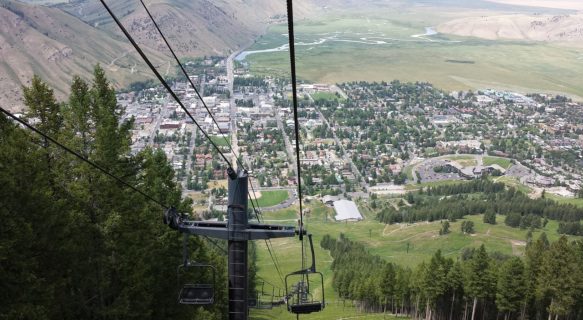
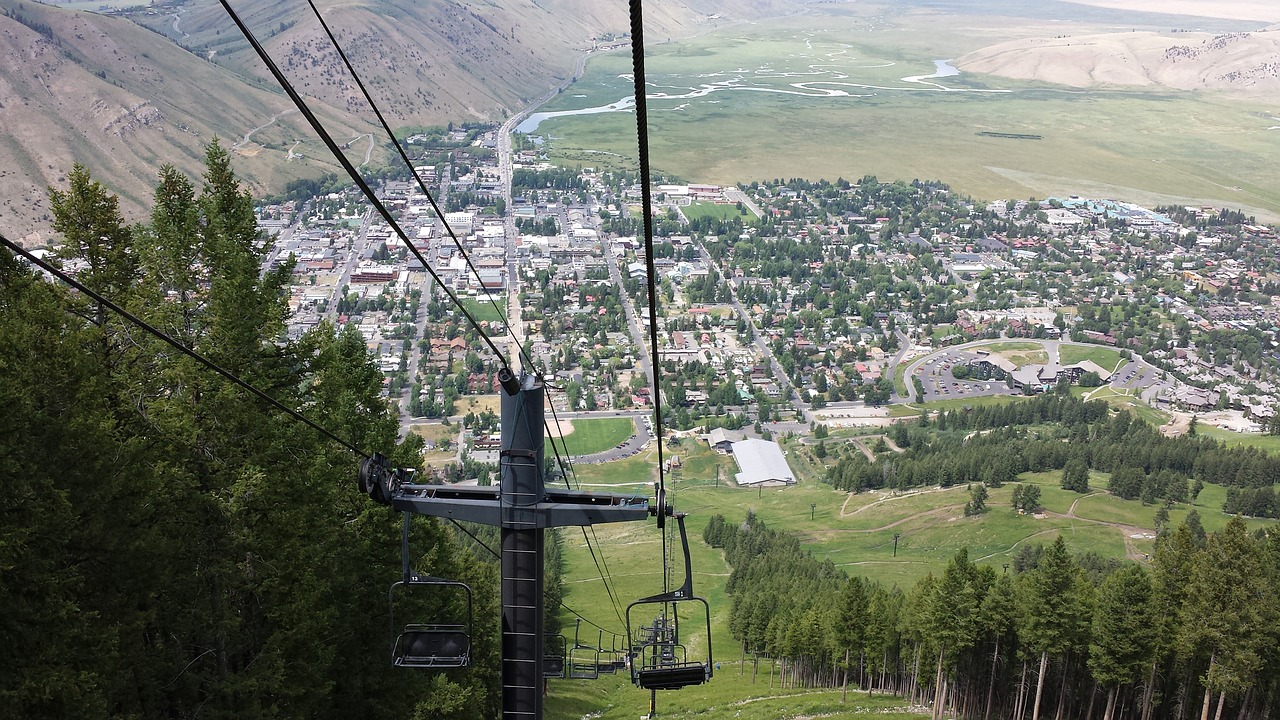
Jackson is the largest town (population 10,000) in the Jackson Hole valley in Teton County, Northwest Wyoming, close to the south end of Grand Teton National Park. It is the gateway to two of the United States’ best-known national parks, Grand Teton itself and nearby Yellowstone. Many famous people maintain vacation homes in and around this area. The combined elements of beautiful mountain scenery, Old West heritage, tourist traps and celebrity residents give this small town a unique atmosphere both cosmopolitan and frontier.
Understand

The terms “Jackson” and “Jackson Hole” are often mistakenly interchanged. “Jackson” is the name of the town. “Jackson Hole” refers to either the greater valley area (including, for example, the towns of Wilson and Kelly) or the Jackson Hole ski resort.
Jackson transforms from a popular ski town during the winter into a mecca for travelers here to admire and participate in boundless summer beauty and activities. Meanwhile, in the spring and fall seasons, the town slows down as only the 6,000 or so year-round residents remain (and many of them may leave during this time as well) and many of the hotels and restaurants close for the season. Each of the seasons have their pluses and minuses depending on the visitor’s expectations and desires, but it pays to know what time of year is best for what activity, especially in Jackson’s unique high-altitude environment.
- 1 Jackson Hole Visitor Center, 532 North Cache St (On your right on the way out of town on Hwy 89 north), ☎ +1 307 739-3606. Mostly a gift shop, but also very friendly staff with good maps and local knowledge, and some wildlife exhibits on the upper floor and outside.
Climate
| Climate | Jan | Feb | Mar | Apr | May | Jun | Jul | Aug | Sep | Oct | Nov | Dec |
|---|---|---|---|---|---|---|---|---|---|---|---|---|
| Daily highs (°F) | 29 | 33 | 44 | 54 | 64 | 74 | 82 | 81 | 71 | 58 | 39 | 28 |
| Nightly lows (°F) | 6 | 8 | 19 | 26 | 31 | 37 | 42 | 40 | 32 | 25 | 17 | 7 |
| Precipitation (in) | 1.2 | 1.0 | 1.2 | 1.3 | 2.0 | 1.5 | 1.3 | 1.4 | 1.5 | 1.3 | 1.6 | 1.5 |
Get in
Map of Jackson (Wyoming)
By plane
Jackson Hole Airport (JAC IATA) is 7 miles north of the CBD, within the boundaries of Grand Teton National Park. Year-round flights are provided from Salt Lake City by Delta, and from Denver Airport by United. Seasonal services are provided by American, Frontier and United from those cities and eight others across the US. Alltrans runs a seasonal shuttle from the airport to Jackson and many hotels and motels offer free shuttle service. Rental cars are available at the airport from Alamo, Avis, Hertz and National.
By car
Jackson is a few miles south of Grand Teton National Park on U.S. Route 191. Wyoming State Highway 22 intersects US-191 in Jackson, connecting to Victor, Idaho. The nearest city of size, Salt Lake City, Utah, served by several major airlines, is 307 miles or about a five-hour drive away.
By bus
- Mountain States Express leaves downtown Salt Lake City daily at 12:40PM, departs the airport at 1PM, and arrives Jackson at 6PM.
- Salt Lake Express leaves downtown Salt Lake City daily at 11:30AM, departs the airport at noon, and arrives Jackson at 6PM.
Get around
START Bus (Southern Teton Area Rapid Transit) serves Jackson, Teton Village, Star Valley to the south as far as Etna, and Teton Valley as far as Driggs, Idaho. Travel is free within the town limits and north to the National Museum of Wildlife Art.
In addition to the rental car companies at the airport, Dollar and Thrifty both have depots downtown.
The town of Jackson is small enough to be explored by walking, or bicycle.
See

- Town Square. On U.S. 26/89/191 (which become Cache Drive), with Deloney Avenue to its north and Broadway Avenue to its south. Jackson’s town square has unique arches at each of its four corners. These arches were constructed from hundreds of elk antlers. In the center of the square is a memorial to area soldiers. Surrounding the square are many shops and art galleries. During the summer months, actors stage a shoot-out skit at one corner of the square, complete with bank robbers, showgirls, a stage coach, and a lovable drunk doc.
- 1 Jackson Hole Museum, 225 N Cache St, ☎ +1 307-733-2414. W-Sa: 10AM-5PM. Over 50 years old, this museum houses almost 12,000 antiquities that range from Native American artifacts, to objects and tools from the area’s first settlers and traders. Also features exhibits on the history of Jackson, Jackson Hole, and the surrounding National Parks. Walking tours available. $5 adults, $4 seniors & students.
- 2 National Elk Refuge, ☎ +1 307 733-9212, e-mail: nationalelkrefuge@fws.gov. Every day, 8AM-7PM summer, 9AM-5PM winter. The National Elk Refuge preserves land for the more than 5000 elk that migrate to the area each winter. Though wildlife is easily viewable from the main Refuge Road, a highlight of a visit to the refuge is a ride on a horse-drawn sleigh, offered daily every year from December to April, depending on snow conditions. Hiking is limited in the refuge.


- 3 National Museum of Wildlife Art, 2820 Rungius Rd, toll-free: +1-800-313-9553. Open M-Sa 9AM-5PM, Su 1PM-5PM. Features over 5000 pieces of art, focused on wildlife and nature. $10 adults, $9 students/seniors, children 18 and under free.
Do
- Skiing is a popular activity during the winter in Jackson, with a handful of top-notch resorts nearby.
-
- Snow King Resort, 400 East Snow King Ave., +1-800-522-5464. The base of this smaller mountain is incredibly convenient to the town, located a mere 6 blocks from the town square.
- Jackson Hole Mountain Resort, 3395 Cody Lane, Teton Village, +1 307 733-2292. Featuring a vertical rise of over 4,000 feet, this resort offers world-class skiing, and is in Teton Village, about a 15 minute drive from Jackson. Accessible by bus.
- Grand Targhee Resort, 3300 East Ski Hill Rd., Alta, +1 307 353-2300. Located over Teton Pass, about an hour and a half from Jackson, this mountain that receives of 500 inches of snow every winter might be worth the trip for a taste of fresh powder.
- Hiking — An extensive network of trails runs through the mountains just outside of town, most easily accessible from the Cache Creek trailhead. Superb hiking opportunities abound in the nearby National Parks.
- 1 Alpine Slide. – located in Jackson Hole
- Horse Creek Ranch, 9600 South US Highway 89, ☎ +1 307 733-6556. Offers morning and afternoon rides up to the top of a mesa for a spectacular view of a section of Lewis and Clark’s trail, followed by a pretty good cowboy meal. Guides are helpful and friendly. Great family activity. Around $45 per rider for a 2-hour ride plus meal.
- Barker-Ewing River Trips, 945 West Broadway, toll-free: +1-800-448-4202. A family owned and operated Snake River whitewater rafting and float company with guides and gourmet meals. $50 – $300.
- Mad River Boat Trips, 1255 South US Highway 89, toll-free: +1-800-458-7238. One of several float companies in Jackson, offering scenic leisurely trips or whitewater rafting trips with up to Class 3 rapids on the Snake River. Great fun with safe and knowledgeable guides. Great for older kids.
- Day Spas Jackson Hole supports a community of people in the healing arts. You can do your part by supporting some great local day spas whose quality and service rival the big resorts.
-
- Tootsy’s Footsy Lounge (Massage & Day Spa), 565 N Cache suite 6 (3 or so blocks N of Town Square), ☎ +1 307 413-4456. Tootsy’s Footsy Lounge : Locals and visitors love this day spa for it’s local charm, character and friendly prices. The signature special is the Deluxe 1hr Tootsy Footsy Massage for $43.99! There are 3 treatment rooms and Tootsy’s Footsy Lounge can accommodate up to 5 people comfortably. Also try a Therapeutic Massage, a Tootsy’s Feel Good Facial or even waxing (men’s & women’s). Advance reservations are requested. A ‘Must Do’ in Jackson Hole. www.tootsysfootsylounge.com extremely reasonable prices.
- Profile Massage | ENSO Spa, 235 E. Broadway (2 blocks E of Town Square), ☎ +1 307 413-8949. 9AM to 9PM. The therapists at Profile Massage are regarded as the most experienced in Jackson Hole. They specialize in outcome-based treatments so you’ll leave the spa healthier and happier with effective relief from pain and stress. The spa features original artwork by Heather Erson and has space for large groups. Therapists can also come to the privacy and security of your home or lodging, making Profile Massage a valley favorite among residents and visitors who want to maintain low visibility and still get a quality massage. The spa is HIPAA compliant (which amounts to privacy and propriety) and the therapists are extensively trained and nationally certified. Profile Massage is an experience in excellent bodywork, not your usual cookie cutter spa fluff. $55-$200.
Buy
The downtown area has all manner of stores spread across several city blocks. Goods offered range from outdoor apparel to artwork to run-of-the-mill souvenirs.
- RARE Gallery Jackson Hole Arts, 485 West Broadway, ☎ +1 307 733-8726. Jackson Hole Art gallery featuring western contemporary art from Warhol, Lichtenstein, Ansel Adams, Tomas Lasansky, Michael Kalish, and many others.
Eat
- The Blue Lion, 160 North Millward St, ☎ +1 307 733-3912. Somewhat pricey but well worth it. The stuffed mushrooms and mud pie are incredible.
- [dead link]Dornan’s Chuckwagon. 7 miles north of town on Route 89 in Moose. Offers hearty chuckwagon fare for lunch and dinner (beef stew, ribs, beans, corn bread). But the real attraction is the view: picnic table dining at the foot of the Grand Tetons. Great for kids.
- Pica’s, 1160 Alpine Ln, ☎ +1 307 734-4457. Every day 11AM-10PM. Inexpensive burritos made with fresh, healthy ingredients. Excellent guacamole.
- Snake River Grill, 84 East Broadway, ☎ +1 307 733-0557. Every day, from 5:30PM in summer, 6PM in winter. Offers excellent dinners, with local touches found in not only the atmosphere, but the menu and ingredients, too. Nationally recognized chef. Most sought after reservations in town. Rather expensive, about $40-$50 a person.
- Sweetwater, ☎ +1 307 733-3553. Corner of Pearl and King St. Great homemade soups and sandwiches for lunch, slightly expensive but awesome dinner (the macaroni and cheese side dish is a must).
- Teton Thai, 135 North Cache Dr, ☎ +1 307 733-0022. Open M-F 12PM-2PM, M-Sa 5PM-9PM. Where the locals go for Thai food. Except for about 6 seats at the counter, seating is outside and BYOB. Excellent Thai food at a reasonable price. As of fall, 2010, Teton Thai located in Teton Village
- Pearl Street Bagels, 145 West Pearl Ave, ☎ +1 307-739-1218. Breakfast & lunch. Great service, good vibes, free wi-fi, totally yummy menu (including bagels, sandwiches, coffee), long but reasonably fast moving line. Also has an outlet in the town of Wilson.
- Jedediah’s at the Airport. 6AM-7PM.
- The Kitchen, 155 N. Glenwood, ☎ +1 307 734-1633. From 5:30PM.
- Rendezvous Bistro, 380 S. Broadway, ☎ +1 307 739-1100. Dinner only. Authentic French bistro food. Excellent. One of the most popular restaurants in town. [same ownership as Osteria and Q Roadhouse]
- Trio, 45 S Glenwood, ☎ +1 307 0734-8038. Dinner year round; lunch in summer. Classic American cuisine. Very popular with locals.
Teaton Village (Base of Jackson Hole Ski Area)
- Mangy Moose, Jackson Hole. pizza and bar. Great après ski.
Drink
- Silver Dollar Bar & Grill, ☎ +1 307 773-2190. Corner of Glenwood and Broadway. Located inside the Wort Hotel. Offers great drinks and food in an Old West saloon-style setting.
- Snake River Brew Pub, 265 South Millward St, ☎ +1 307 739-2337. Every day 11:30AM-1AM. A good place to go for an excellent microbrew at the end of a long hike or ski. Award winning beer and a boisterous atmosphere.
- Million Dollar Cowboy Bar, 25 N. Cache, on the Square, ☎ +1 307 733-2207. The landmark Jackson Hole bar–not to be missed; dancing nightly, saddle bar stools, good restaurant in basement.
Sleep
Generally speaking, hotel prices and availability in Jackson can fluctuate wildly by the season. During the summer months (and especially summer weekends) hotel rooms can be very difficult to obtain without a reservation or without a lot of money. During the wintertime, there are typically always rooms available, however prime rooms near the ski resorts may require advance planning and additional funds. On the other hand, during the off-season, many hotels in town close due to lack of demand.
Budget
- The Hostel, 3315 McCollister Dr, ☎ +1 307 733-3415. Teton Village. Perhaps the best deal in the best location in Jackson Hole. Hostel X is right in Teton Village at the base of the mountain. Sweeping views, cheap rooms and a big rec room make this a nice choice for folks who want a good location at a good price. You can also have dogs in your room, though you should ask about this first.
- 4 Winds Motel, ☎ +1 307 733-2474. 150 North Millward.
- Super 8 Motel, 750 South US Hwy 89, ☎ +1 307 733-6833.
- Motel 6, 600 South Highway 89, ☎ +1 307 733-1620, fax: +1 307 734-9175.
Mid-range
- Angler’s Inn, 265 North Millward, toll-free: +1-800-867-4667.
- Antler Inn, 43 West Pearl St, ☎ +1 307 733-2535.
- Best Western Lodge at Jackson Hole, 80 Scott Ln, toll-free: +1-800-458-3866. Offers deluxe hotel lodging accommodations with unsurpassed service and amenities.
- Cowboy Village Resort, 120 South Flat Creek Dr, ☎ +1 307 733-3121. Individual log cabins with kitchenettes, porches, BBQs with utensils — all for about the same price as an ordinary motel room.
- Inn at Jackson Hole, 3345 West Village Dr, toll-free: +1-800-842-7666. Year-round inn located near Grand Teton National Park and the base of Jackson Hole Mountain Resort.
- Mountain Property Management, 250 Veronica Ln, toll-free: +1-800-992-9948. Features dozens of condos, cabins, and vacation rentals in and around Jackson Hole.
- Parkway Inn, 125 North Jackson St, toll-free: +1-800-247-8390.
- Rustic Inn at Jackson Hotel, 475 N. Cache – PO Box 14250. Seeking places to stay in Jackson Hole WY? The Rustic Inn resort offers log cabins and luxury lodging accommodations with large private decks. Attractions and activities include fly fishing and skiing.
- Trapper Inn and Suites, 285 North Cache, toll-free: +1-888-771-2648. Offering deluxe hotel lodging accommodations Located one block north of the Jackson Town Square.
- The Wildflower Inn, 3725 Shooting Star Ln, ☎ +1 307 733-4710. Offers deluxe lodging and accommodations. Breakfast and afternoon homecooked snacks included. Amenities include landscaped grounds and garden and a hot tub. Suites available.
- Wyoming Inn, 930 West Broadway, toll-free: +1-800-844-0035. A cozy, inn-like atmosphere located just minutes from downtown Jackson.
Splurge
- 1 Amangani, 1535 North East Butte Rd, ☎ +1 307 734-7333, e-mail: amangani@amanresorts.com. This impressive hotel is one of its kind in the USA. Aman Resorts is one of the world’s premiere hotel chains, and this property features just a few rooms, outstanding facilities and location, and very friendly staff.
- 2 Four Seasons Resort Jackson Hole, 7680 Granite Rd, ☎ +1 307 732-5000, fax: +1 307 732-5001. Loop, Teton Village. This luxurious ski-in/ski-out resort makes your experience in Teton Village a memorable one. The resort has great features, such as outside heated pools to warm you up after a day out on the slopes.
- 3 Hotel Terra Jackson Hole, 3335 West Village Rd, ☎ +1 307 739-4000, e-mail: informationjac@terraresortgroup.com. Teton Village. Hotel Terra is an eco-boutique hotel that emphasizes modern design as well as environmental responsibility. This luxury green hotel is one of just five LEED-certified hotels in the US.
- 4 Rusty Parrot Lodge and Spa, 175 North Jackson St, toll-free: +1-800-458-2004. Central Jackson location great for everything from skiing to shopping and everything in between.
- 5 Snake River Lodge & Spa, 7710 Granite Loop Rd, ☎ +1 307 732-6000. Teton Village. Snake River Lodge & Spa is in Teton Village, at the base of the Jackson Hole Mountain Resort. The Lodge houses a 17,000 square foot spa.
- 6 Snow King Resort, 400 E. Snow King Ave, toll-free: +1-800-522-5464. Slopes-side location on Snow King Mountain – the oldest ski area in Jackson Hole.
- 7 Teton Mountain Lodge, 3385 Cody Ln, toll-free: +1-800-631-6271. Teton Village. A slopes-side mountain resort that offers rustic lodge rooms and suites. This resort features a luxury spa, extensive meeting facilities, a variety of ski services and fine dining at Cascade Grill House & Spirits.
- 8 Hotel Jackson, 120 North Glenwood, ☎ +1 307-733-2200. Very nice and cozy. Conveniently located in the town of Jackson.
- 9 The White Buffalo Club, 160 West Gill Ave, toll-free: +1-888-256-8182. Newest luxury hotel in downtown Jackson. Prime steak house, day spa and fitness center.
- 10 The Wort Hotel, 50 Glenwood St, ☎ +1 307-733-2190.
Camping
- The Virginian RV Resort, 750 West Broadway, ☎ +1 307 733-2792, toll-free: +1-800-262-4999, e-mail: info@virginanlodge.com. Check-in: 2PM, check-out: 12 noon. 50 amp full service hookups; moderate walk to downtown and shopping. Beautiful mountain views on all sides. In small town setting.
- Fireside Resort, 2780 N. Moose Wilson Rd. (Hwy 390), ☎ +1 307 733-1177, toll-free: +1-877-660-1177, e-mail: info@firesidejacksonhole.com. Cabins and glamping tents within the boundaries of Jackson Hole Campground – a hybrid between camping, a hotel suite and a private cabin.
Camping, of course, abounds on the nearby National Forest, National Park, and BLM lands, and can range from isolated dispersed camping to highly sought-after sites reserved months in advance. Most camping spots, however, will require at least a half-hour drive from Jackson town proper.
Go next
- Grand Teton National Park
- Yellowstone National Park, just north of Grand Teton
- Alpine, a town 30 miles south
| Routes through Jackson |
| Idaho Falls ← Alpine ← | W  E E |
→ Grand Teton N.P. → Casper |
| Yellowstone N.P. ← Grand Teton N.P. ← | N  S S |
→ Alpine → Logan |
| END ← | N  S S |
→ Kemmerer → Evanston |
| Yellowstone N.P. ← Grand Teton N.P. ← | N  S S |
→ Pinedale → Rock Springs |
Live Video of Jackson Town Square